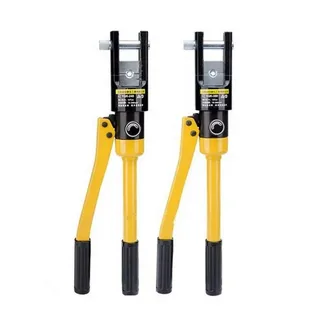
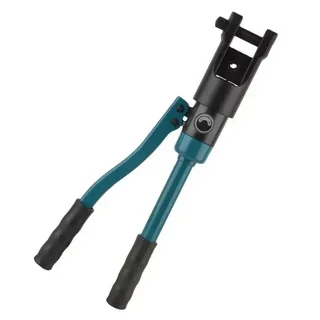
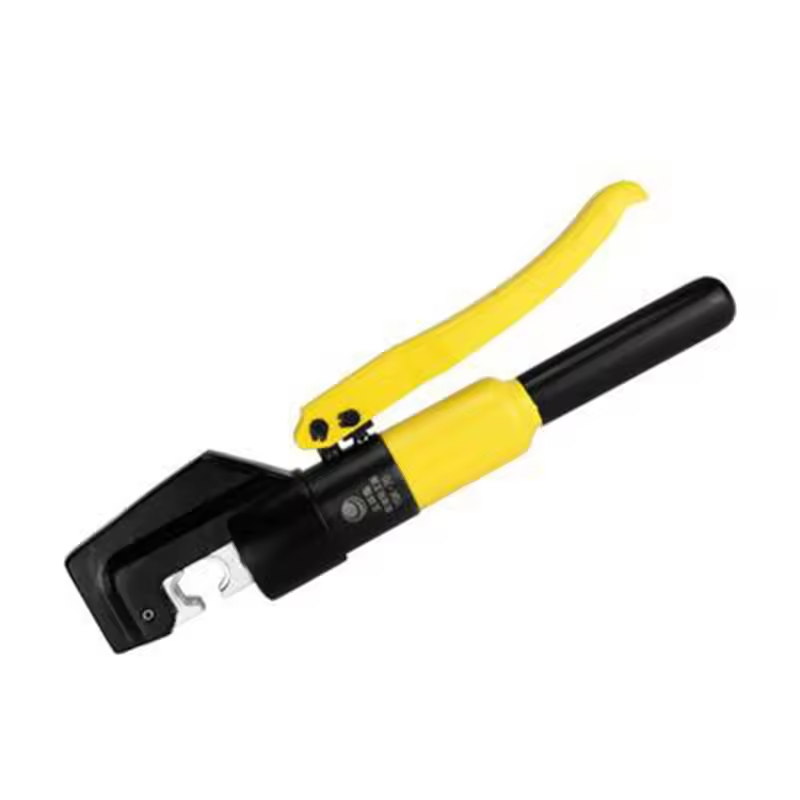
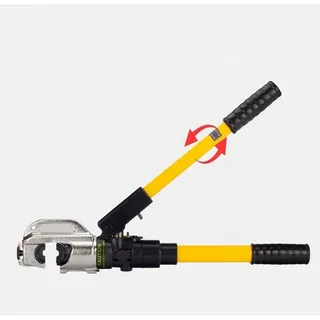

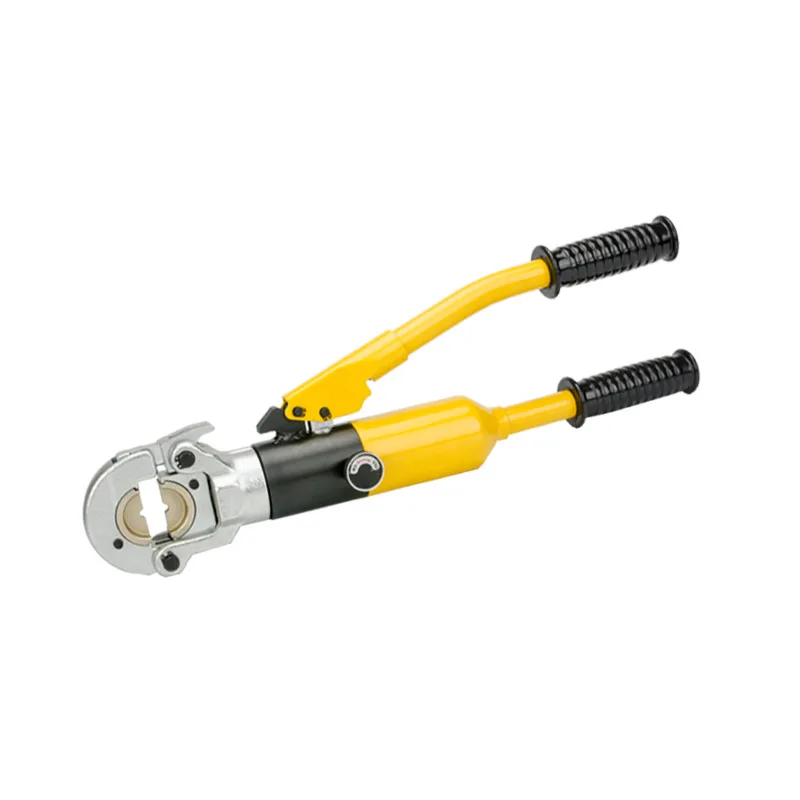
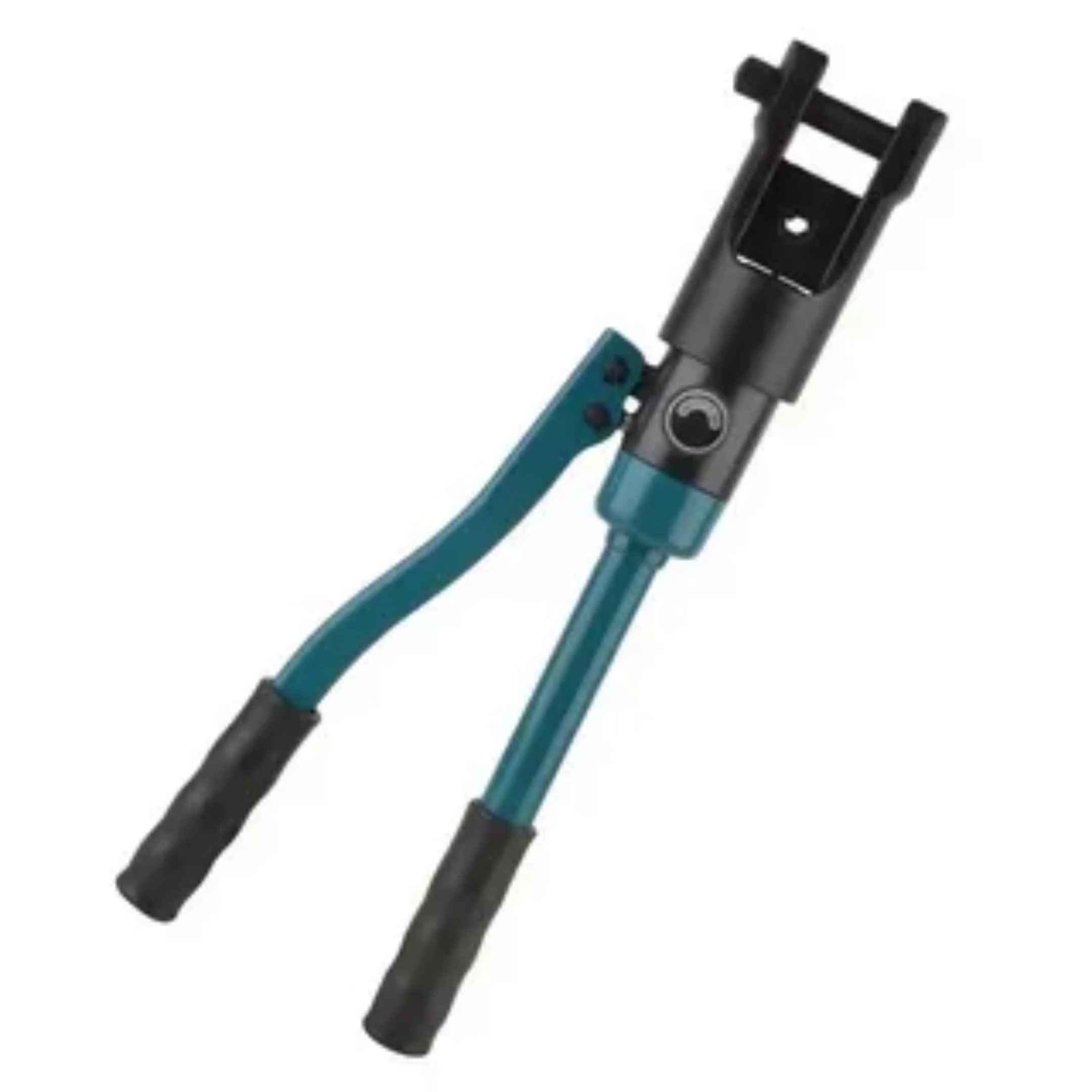


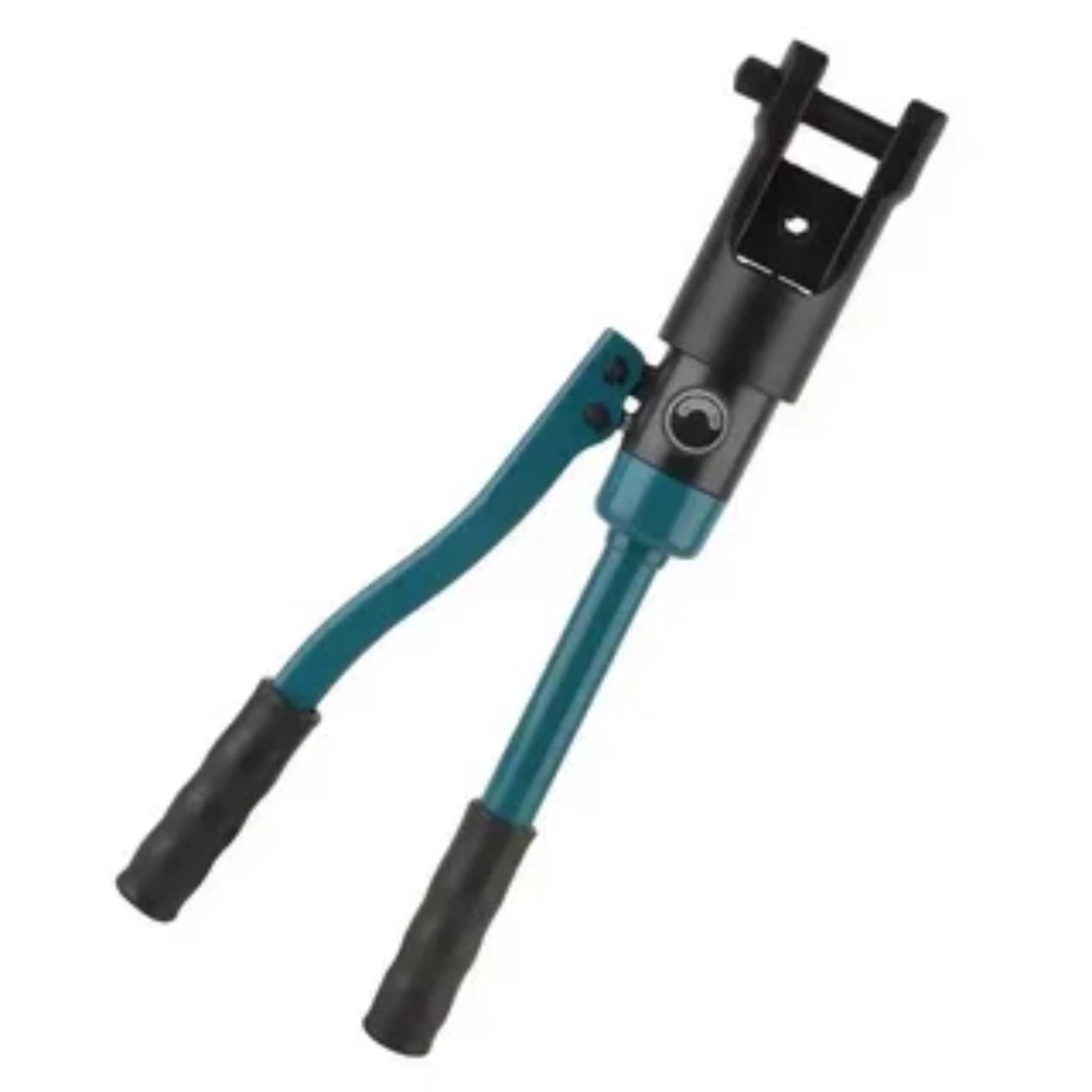
Cable hydraulic pliers
A hydraulic cable crimping tool (hydraulic cable lug crimper) is a professional installation tool used to crimp and terminate power cables by compressing copper or aluminum lugs, terminals, and connectors with strong, controlled hydraulic force. Compared with manual crimpers, a hydraulic design delivers higher and more consistent crimping pressure, helping create a tight mechanical connection and stable electrical conductivity. Hydraulic cable crimpers are widely used in power distribution, switchgear and control panels, substations, renewable energy projects (solar/wind), industrial maintenance, and electrical construction, where reliable cable termination and fast on-site installation are required. Depending on the model, the tool can support different crimping ranges and die types (hex/indent), and may include safety features such as a pressure relief valve and quick-return mechanism for efficient, safe operation.
1) Powerful, Consistent Crimping for Secure Electrical Connections
Hydraulic force ensures a strong and uniform compression on the lug, which is essential for achieving a reliable termination. Unlike purely manual tools that may vary by operator strength, a hydraulic crimper delivers stable output to produce repeatable crimp quality across multiple crimps. This helps minimize contact resistance, reduces the risk of overheating at connection points, and improves long-term performance of cable joints—especially in medium-to-high current applications such as distribution panels, feeders, and industrial equipment. For contractors and maintenance teams, consistent crimping quality also means fewer installation defects, fewer callbacks, and higher confidence during commissioning and long-term operation.
2) Labor-Saving Design that Improves On-Site Efficiency
A hydraulic cable crimping tool significantly reduces the effort required for crimping larger cable lugs, allowing installers to work faster with less fatigue. With features like quick die change, efficient pumping, and fast pressure release (depending on the model), it helps shorten termination time and keeps jobs moving—particularly when a project requires a large number of cable ends to be crimped in a limited time. This is a major advantage in field installation environments such as substations, solar farms, and industrial shutdown maintenance where time, manpower, and productivity directly affect project cost. Less physical strain also supports safer working conditions and better overall work quality.
3) Durable, Safe, and Versatile for Different Job Requirements
Hydraulic crimpers are built for demanding jobsite use, typically using high-strength steel components and protective finishes to withstand impacts, dust, and frequent handling. Many models include a safety pressure relief valve for overload protection, improving operational safety and protecting both the tool and the operator. In addition, hydraulic crimpers can be configured with multiple die sets and crimping styles (such as hex or indent) to match different lug standards and cable sizes. This versatility makes the tool suitable for a wide range of applications—from panel building and equipment manufacturing to power construction and maintenance—allowing users to standardize one reliable crimping solution across multiple projects while keeping spare dies and accessories easy to manage.