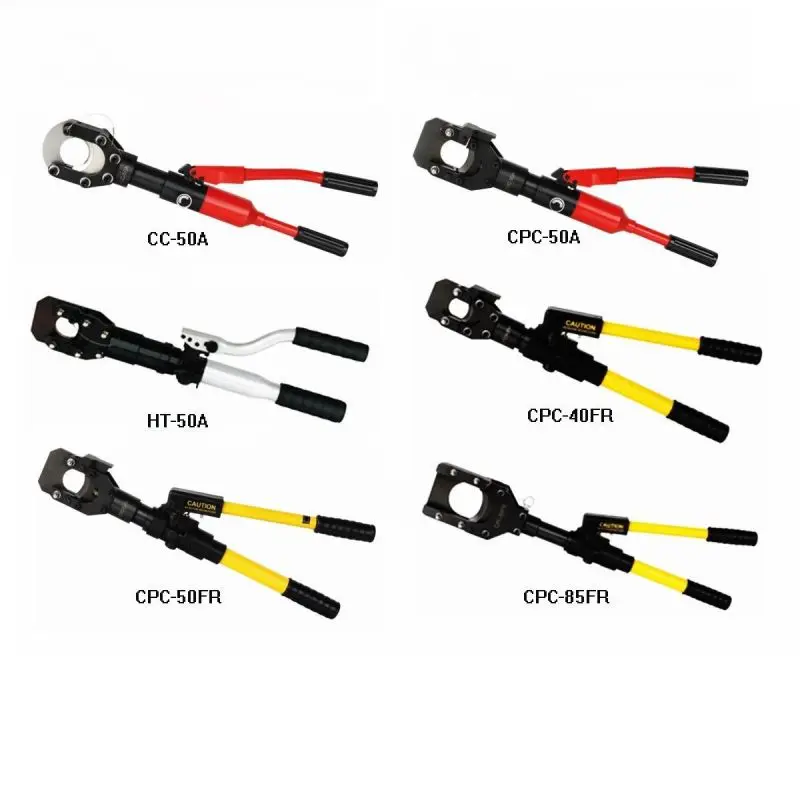
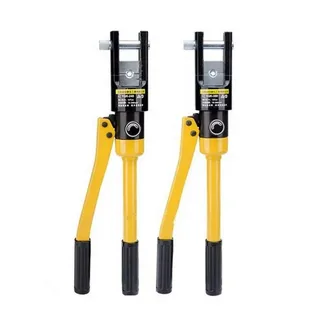
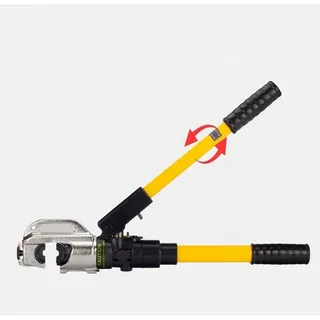
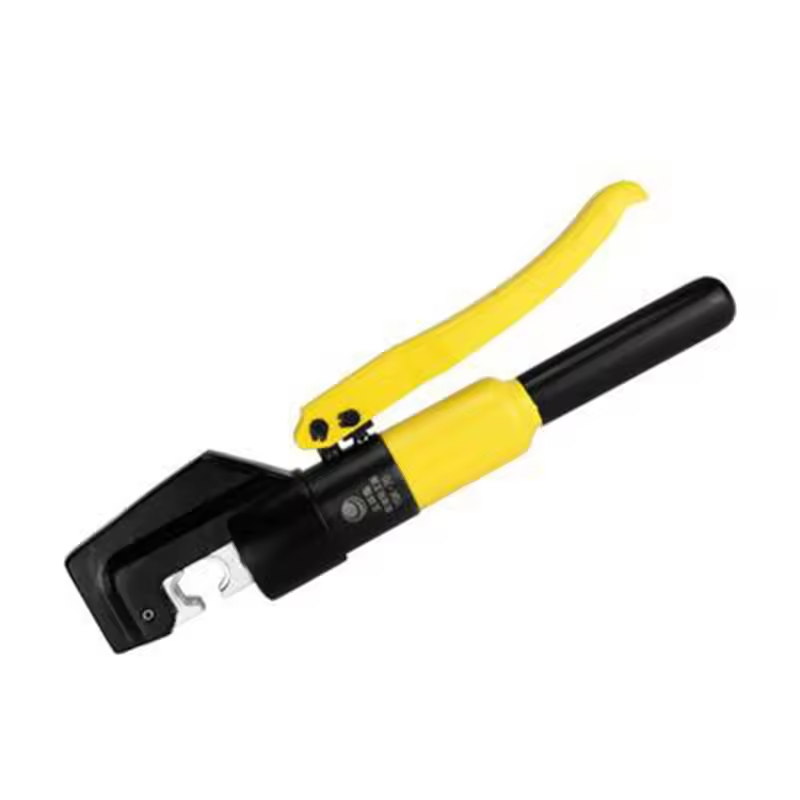
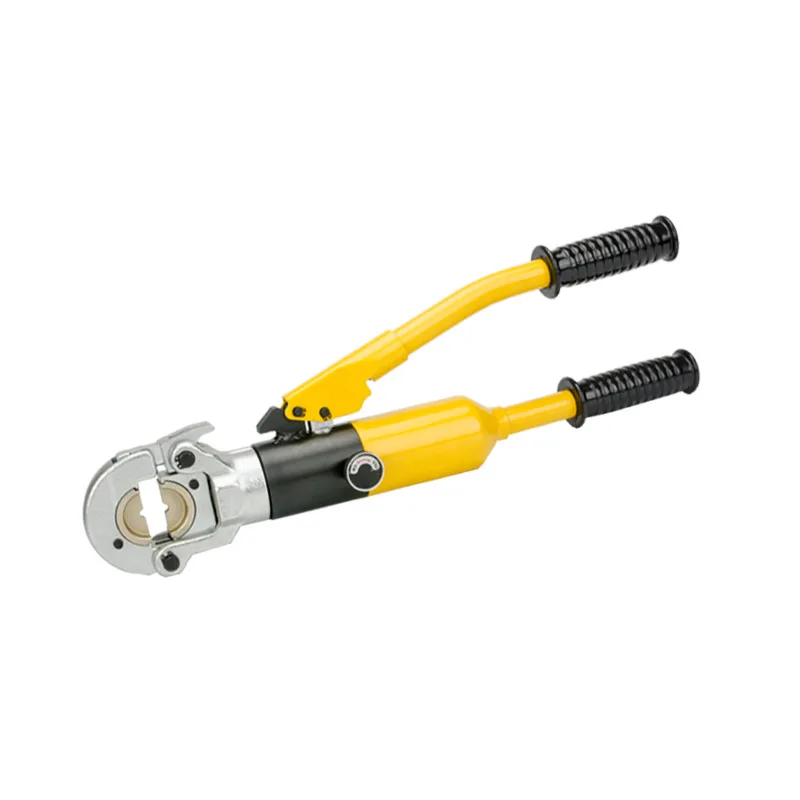


Durable cable hydraulic crimping tool
A hydraulic cable crimping tool is a professional termination solution used to crimp cable lugs, sleeves, and connectors onto power cables with controlled hydraulic pressure. It is designed to deliver strong, steady compression so the conductor and lug form a tight, durable joint—supporting stable conductivity and long-term mechanical strength. Hydraulic crimpers are widely used in electrical contracting, switchboard and control panel assembly, power distribution maintenance, renewable energy installations, and industrial wiring, where installers need dependable results across repeated crimps and varying cable sizes.
1) Cleaner, More Professional Terminations That Build Customer Confidence
A well-made crimp is not only about strength—it’s also about consistency and appearance. Hydraulic crimping tools help produce neat, uniform crimps that look professional and meet the expectations of inspectors, project managers, and end users. Because the pressure is applied in a controlled way, the crimp shape is more repeatable and less dependent on operator strength, helping reduce common issues like under-crimping, uneven deformation, or loose lug seating. For contractors and panel builders, this leads to fewer quality disputes, less troubleshooting during commissioning, and stronger customer trust—especially on high-value projects where workmanship standards are closely checked.
2) Designed to Prevent Common On-Site Problems (Heat Rise, Rework, Downtime)
Electrical failures often start at connection points. A poor termination can increase contact resistance, causing heat rise and accelerating oxidation and loosening over time. Hydraulic crimpers are built to deliver high compression density, improving conductor-to-lug contact and helping reduce the risk of hot spots at terminals. Better crimps mean fewer callbacks, fewer maintenance interventions, and more stable long-term performance in applications like distribution cabinets, motor control circuits, and large power feeders. For customers, the real advantage is not just the tool—it’s the reduction in hidden costs: rework hours, replacement parts, and avoidable downtime.
3) Jobsite-Friendly: Simple Operation, Strong Durability, and Wide Compatibility
A hydraulic cable crimping tool is made for field conditions—frequent use, tough handling, and tight installation spaces. Many models include practical functions such as quick pressure release, overload protection, and fast die change to keep work moving efficiently. With interchangeable die sets and multiple crimping profiles available (depending on the model), one tool can support different cable sizes and lug standards, which is ideal for teams working across varied projects. This versatility helps buyers simplify procurement, standardize tooling across crews, and keep operations efficient—without sacrificing crimp quality or safety in real jobsite environments.