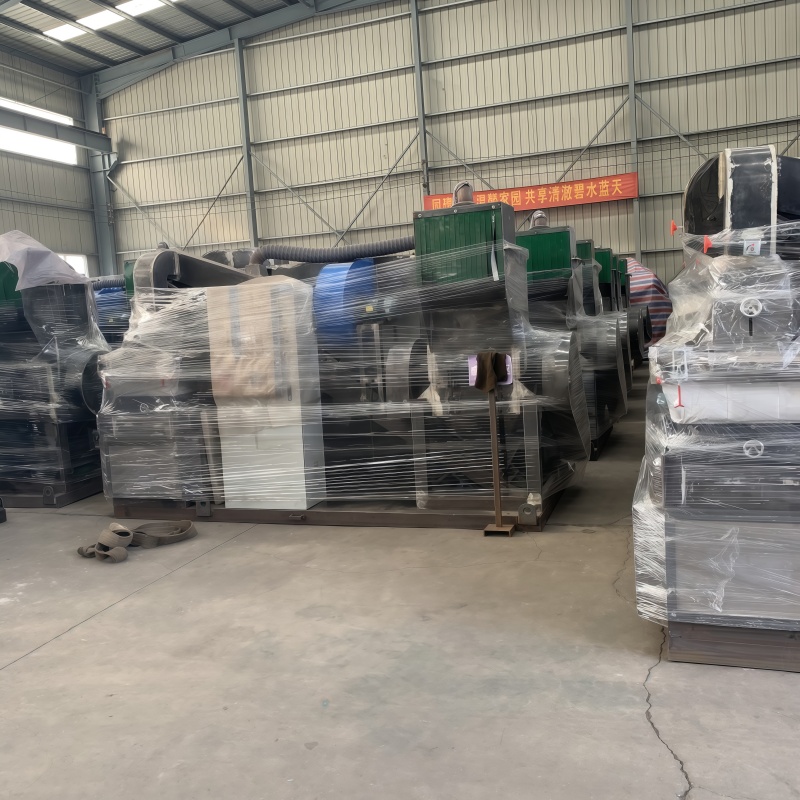
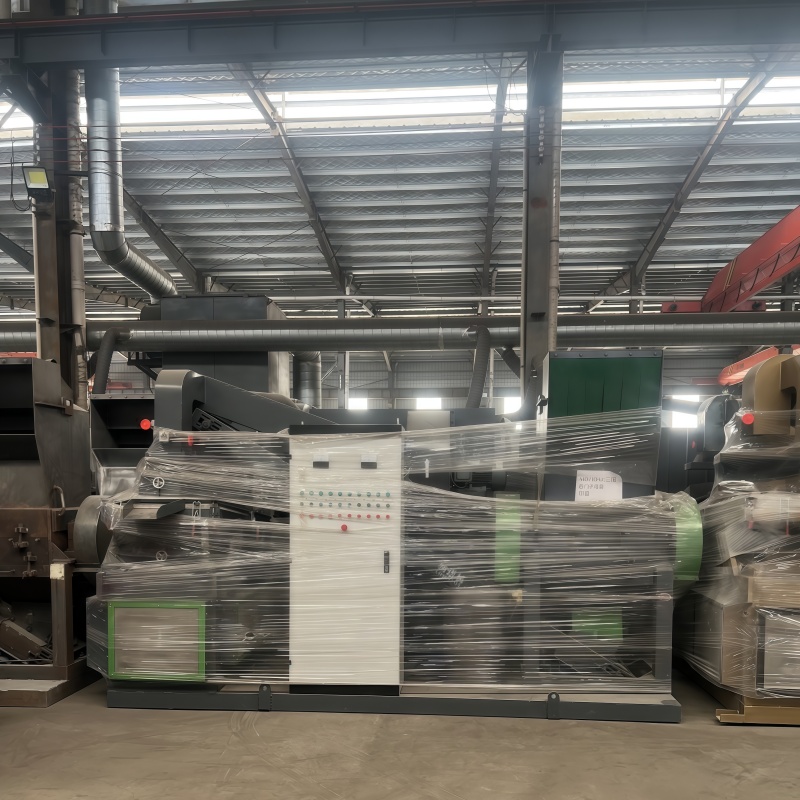
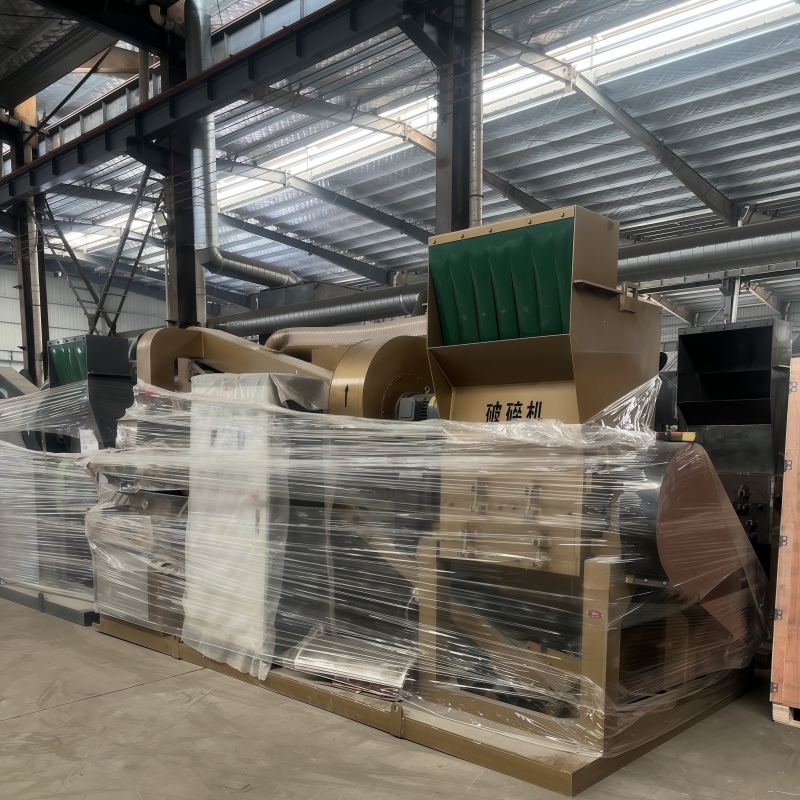
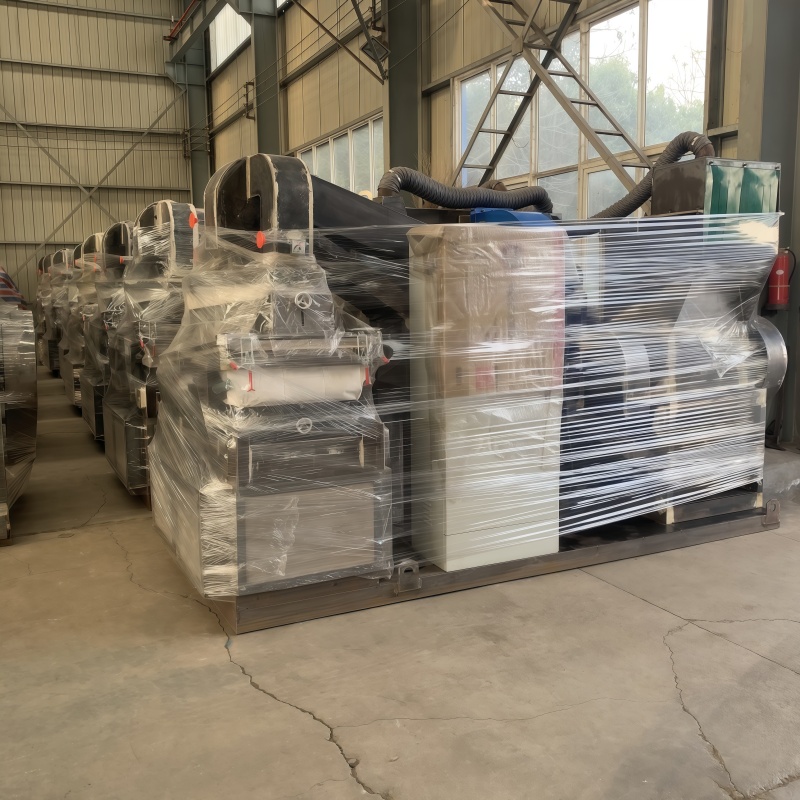
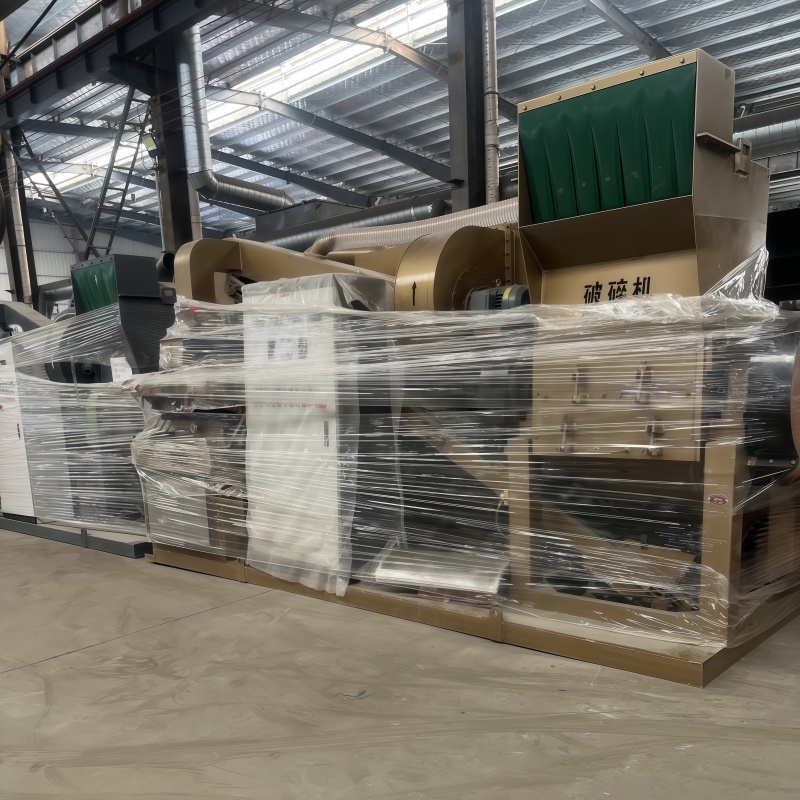
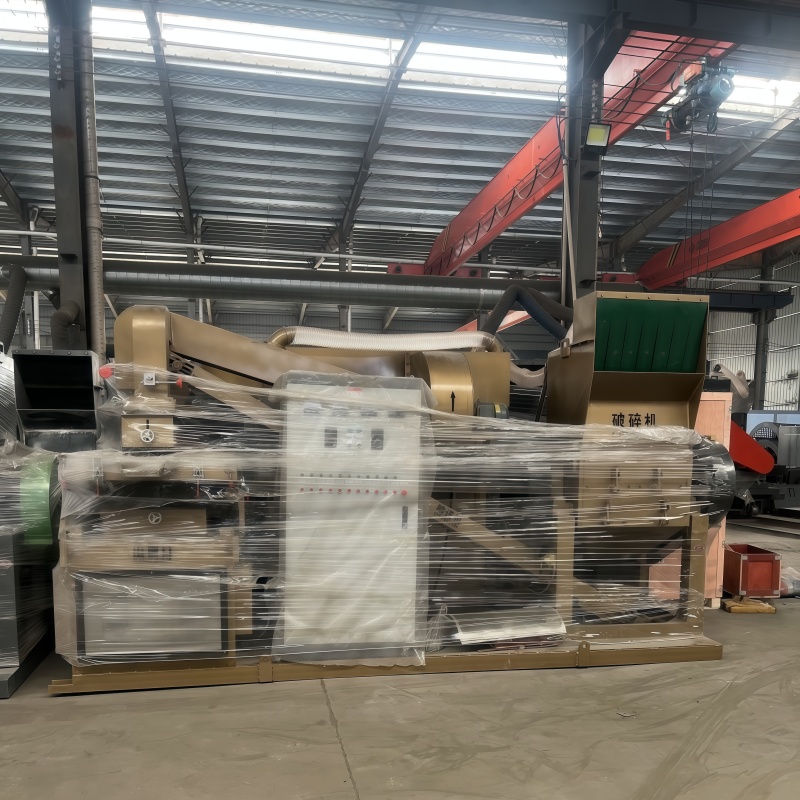
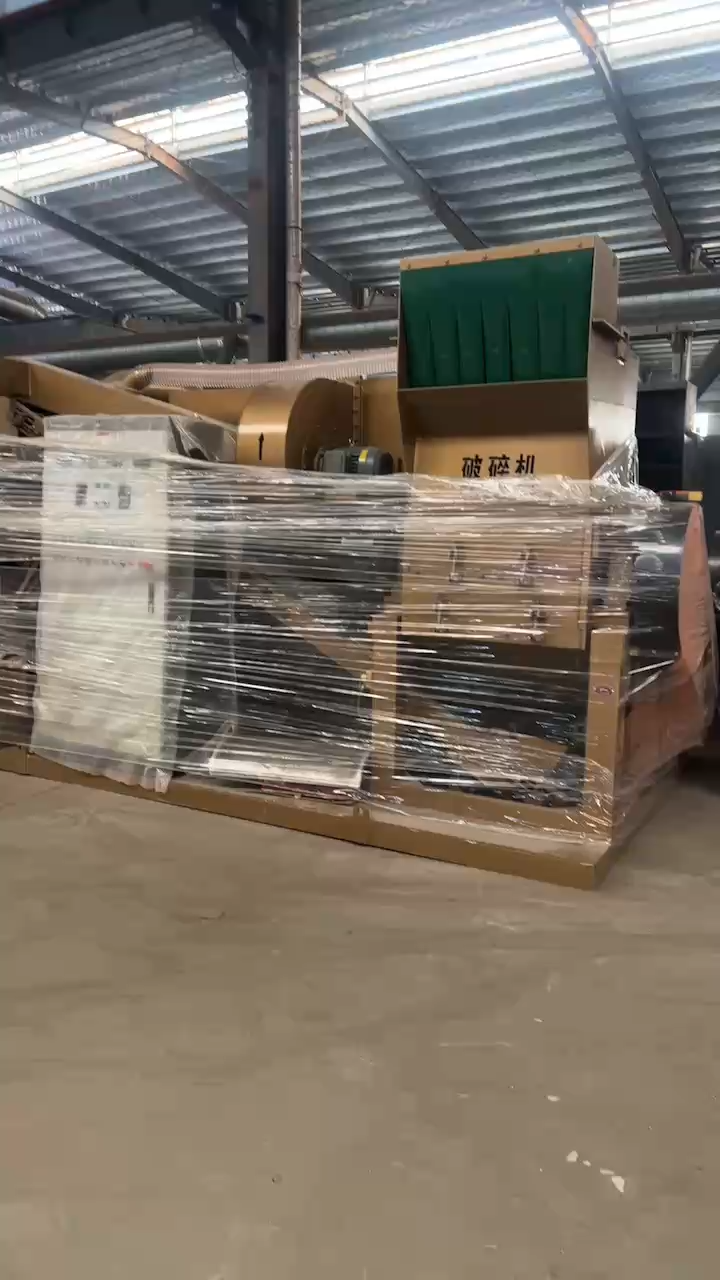


A copper wire granulator (often called a copper granulating machine) is a practical recycling system that converts scrap electric wires and cables into two valuable outputs: clean copper granules and separated plastic insulation. Instead of stripping wire by hand, the machine uses a combination of shredding/crushing and precision separation (airflow + vibration/gravity separation) to break mixed cable into small particles and then sort copper from plastics. It is widely used by scrap yards, metal recycling companies, cable manufacturers, and e-waste processors to improve processing efficiency, increase copper recovery, and create a more standardized, scalable recycling operation.
3 Selling Points (Different Style)
1) Turns Scrap Cable Into Higher-Value, Easy-to-Trade Copper Granules
Scrap wires come in many sizes and types, and selling them “as-is” often means lower value due to insulation and mixed materials. A copper granulator upgrades that scrap into uniform copper granules that are easier to store, transport, and sell—often at a better price because the copper is cleaner and more consistent. Better separation also means less copper loss in the plastic fraction, which directly improves recovery and profitability. For recycling businesses, this isn’t just a machine—it’s a tool for increasing the value per ton of incoming material.
2) Scalable Production with Less Dependence on Manual Labor
Manual stripping is slow, labor-intensive, and difficult to scale when cable volume increases. A granulator allows a recycling line to operate more like a production process: continuous feeding, steady output, and repeatable results. This helps operators handle higher daily throughput with fewer workers, improving productivity and lowering operating costs. It’s especially useful for businesses that process mixed wire sources (industrial scrap, cable offcuts, building demolition wires) and need a consistent method that doesn’t rely heavily on worker skill and speed.
3) Cleaner, More Professional Recycling Process Than Traditional Methods
Many markets are tightening rules on pollution and workplace safety. A copper granulator supports a cleaner and safer workflow compared with open burning or other risky practices, reducing smoke, odor, and environmental hazards. With optional dust collection and enclosure designs, it helps keep the workshop cleaner and improves operator working conditions. For companies aiming to operate long-term—especially those supplying larger buyers or exporting recycled copper—having a standardized, compliant recycling process improves business credibility and reduces regulatory and operational risk.