


High-Efficiency Cable Stripping Machine for Fast and Scalable Cable Processing
Product Introduction
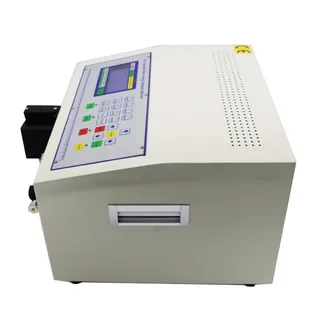
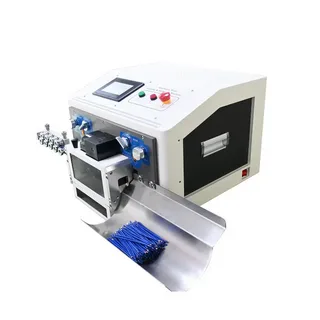
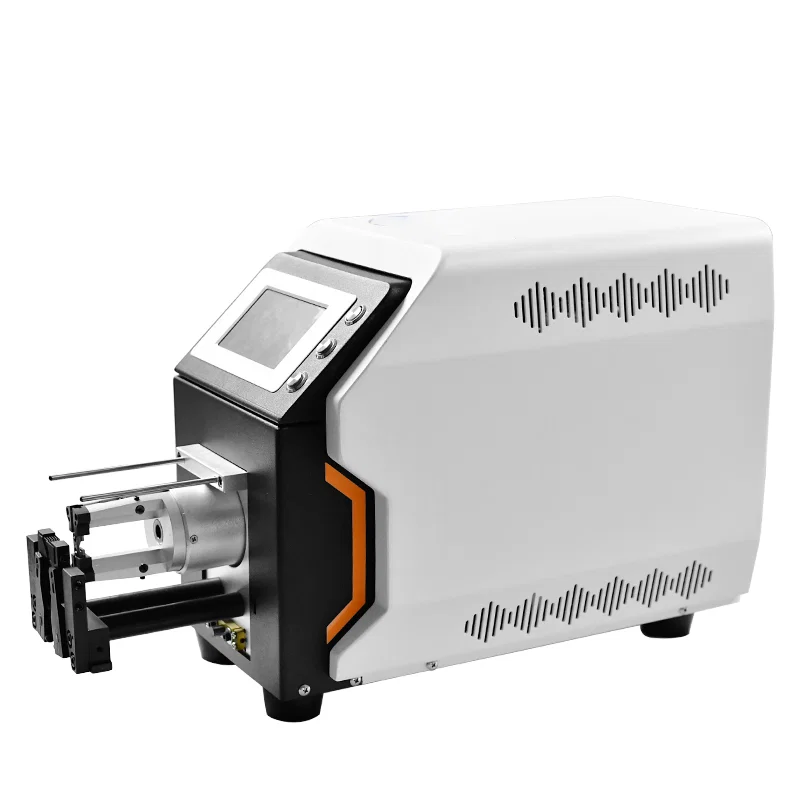
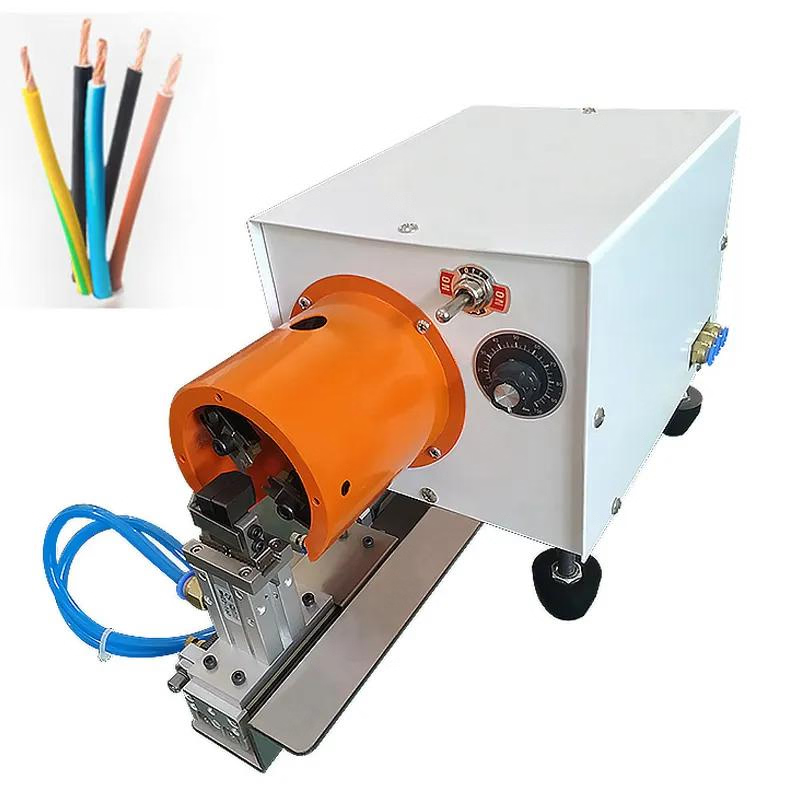
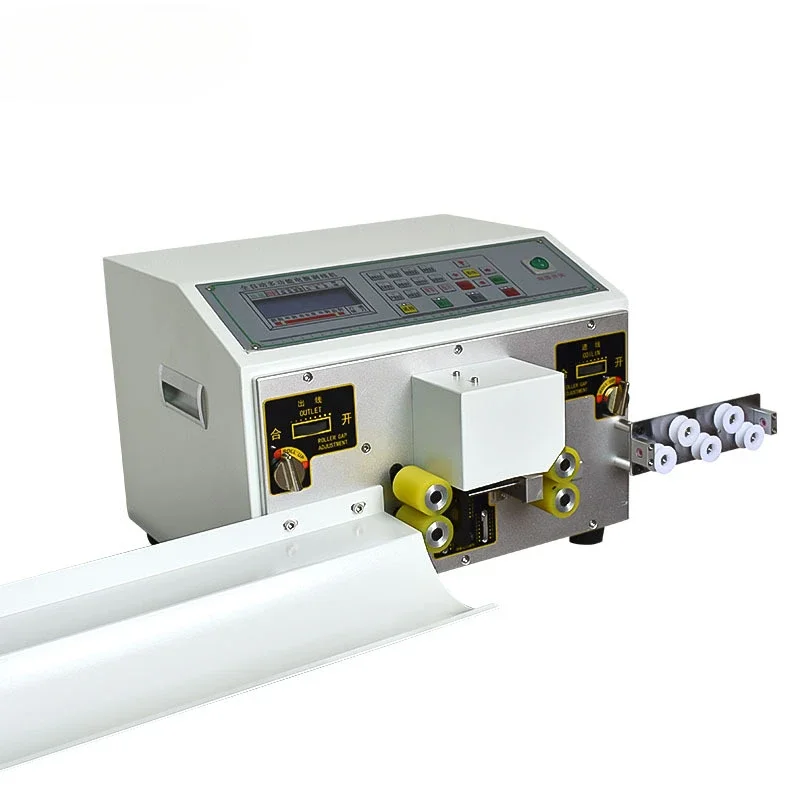
The Cable Stripping Machine is an efficient and practical solution designed to accelerate cable insulation removal while maintaining clean, damage-free conductors for subsequent electrical connection or assembly. It is widely applied in cable production, electrical installation, equipment assembly, and recycling operations where speed, consistency, and cost control are essential. By replacing manual stripping with a stable mechanical process, the machine enables higher throughput, predictable output quality, and smoother workflow management, making it a valuable tool for businesses aiming to scale operations and improve overall processing efficiency.
1. Fast Processing Speed That Directly Improves Daily Output
The cable stripping machine is built to significantly shorten processing time by enabling quick and continuous stripping operations with minimal manual intervention. Once parameters are set, the machine delivers stable and repeatable results, allowing operators to process large volumes of cable in a short period of time. This high-speed capability directly increases daily output, helps meet tight project schedules, and supports batch processing requirements, making it especially suitable for workshops and factories facing high workloads or urgent delivery demands.
2. Stable Results That Reduce Errors and Rework
By using controlled mechanical stripping instead of manual tools, the machine ensures consistent stripping depth and clean insulation removal across every cable. This stability greatly reduces the risk of conductor damage, uneven stripping lengths, or insulation residue, which are common causes of rework and connection failure. With more uniform cable ends and reliable preparation quality, downstream processes such as crimping and termination become faster and more reliable, improving overall production flow and reducing hidden costs caused by quality issues.
3. Lower Labor Dependence and Better Cost Control Over Time
The cable stripping machine minimizes reliance on skilled manual labor by simplifying operation and standardizing the stripping process. Operators can achieve accurate results with minimal training, which helps reduce labor costs and improve workforce flexibility. Combined with its durable structure and low maintenance requirements, the machine delivers long-term cost advantages by lowering operational expenses, reducing material waste, and ensuring predictable performance, making it a cost-effective investment for businesses focused on efficiency, scalability, and sustainable growth.