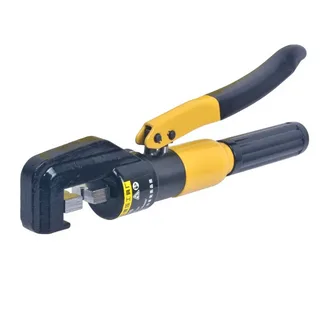
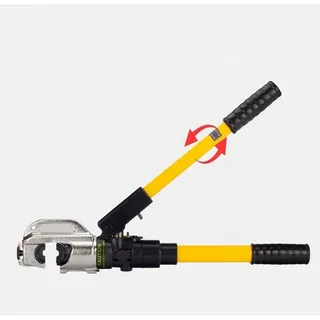
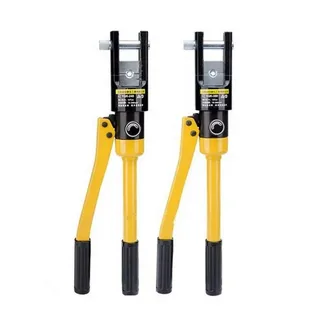

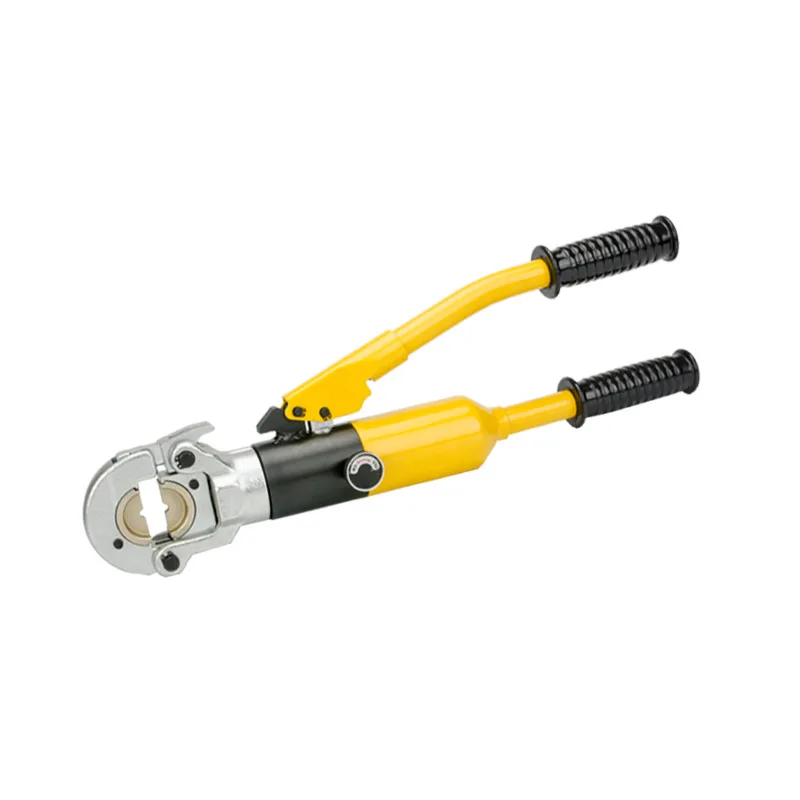
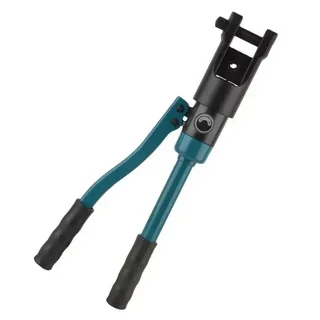


High-efficiency hydraulic cable crimping tool
A hydraulic cable crimping tool is a heavy-duty termination tool designed to compress cable lugs and connectors onto power cables with controlled hydraulic pressure. Instead of relying on pure hand strength, the hydraulic mechanism multiplies force to form a dense, stable crimp that helps create a reliable electrical path between the conductor and the terminal. It is commonly used for crimping copper and aluminum lugs, sleeves, and splice connectors in applications such as electrical contracting, panel assembly, renewable energy installations, and industrial maintenance. For installers who need repeatable results on different cable sizes, a hydraulic crimper provides a practical balance of speed, crimp quality, and jobsite durability.
1) “Quality You Can Measure” Crimps That Reduce Failure Risk
In power connections, a weak crimp can lead to loose contact, higher resistance, abnormal heat rise, and eventually downtime. A hydraulic crimper is designed to produce high-density compression that stays consistent from one termination to the next. Because the hydraulic system delivers stable pressure, the crimp shape is more uniform and the lug is less likely to deform unevenly. That consistency helps improve contact area and conductivity, making connections more dependable for long-term operation—especially in distribution boards, switchgear, motor circuits, and feeder lines where current load is high and the cost of failure is significant. For contractors, better crimp quality also means fewer reworks, fewer site complaints, and smoother commissioning.
2) Faster Termination Workflow with Less Physical Strain
A key advantage of hydraulic crimping is productivity. By reducing manual effort, installers can terminate larger lugs more easily and maintain a steady pace throughout the day. This is particularly valuable on projects that require many terminations—such as solar combiner boxes, panel building, substation upgrades, or industrial shutdown maintenance—where time and manpower directly impact cost. Hydraulic operation also helps reduce fatigue and improves ergonomics, allowing teams to work longer with more consistent workmanship. In short: less effort per crimp, more completed terminations per shift, and a smoother installation process.
3) Built for the Field: Safe, Durable, and Adaptable to Different Standards
Jobsite tools must survive dust, impacts, frequent handling, and tight working spaces. Hydraulic cable crimpers are typically built with reinforced metal components and protective surface treatment to maintain performance in harsh environments. Safety features such as a pressure release/relief function help protect against overload and make it easier to reset the tool during operation. In addition, interchangeable dies and multiple crimping profiles (e.g., hex or indent, depending on the model) allow the same tool platform to support different cable sizes and lug standards. This makes it easier for buyers to standardize tooling across projects, keep spare parts organized, and handle a wider range of customer requirements without switching to completely different tools.