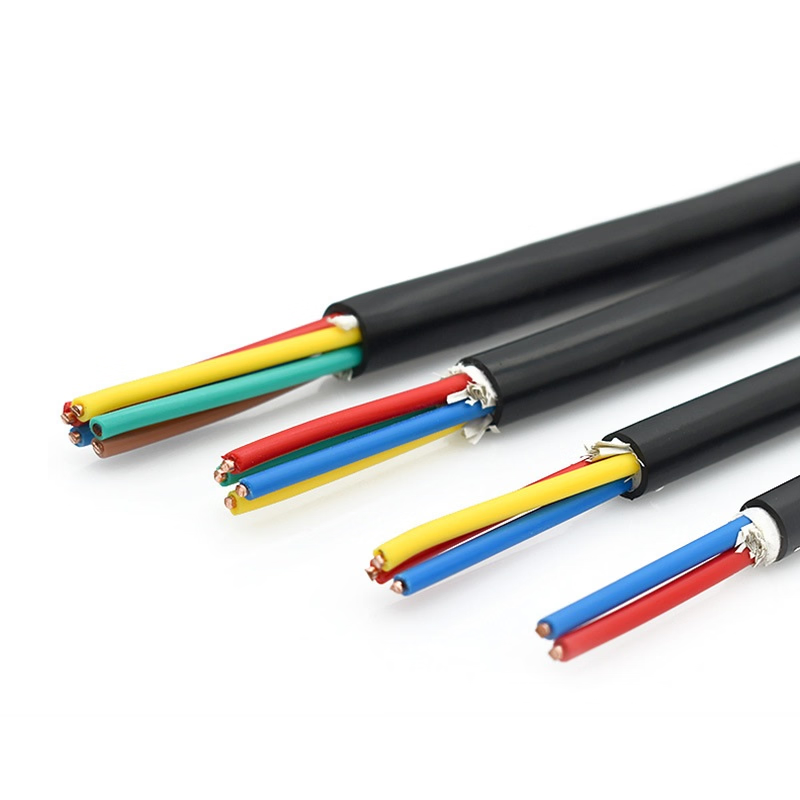
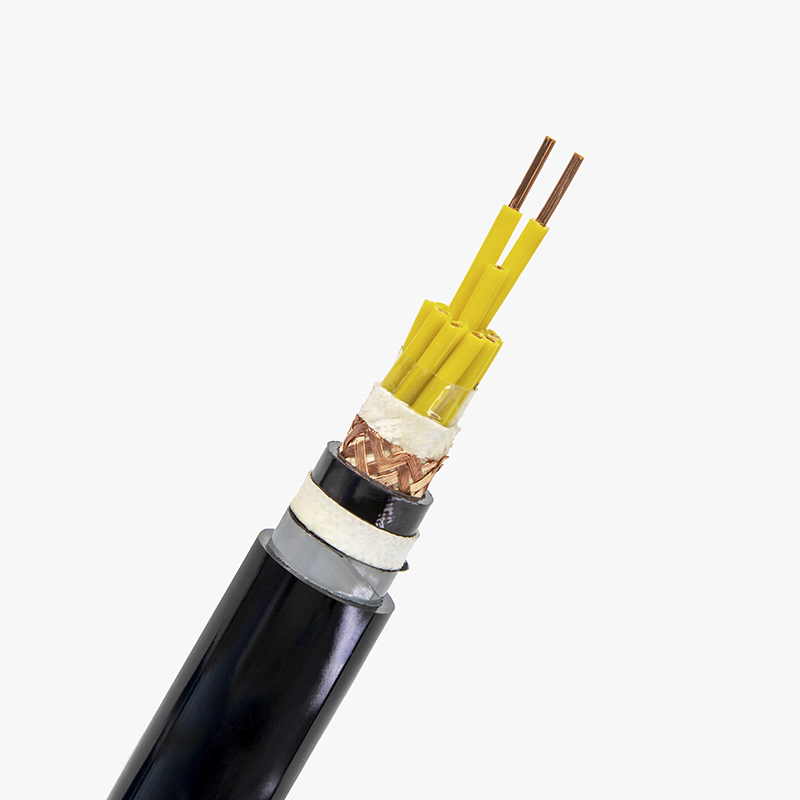
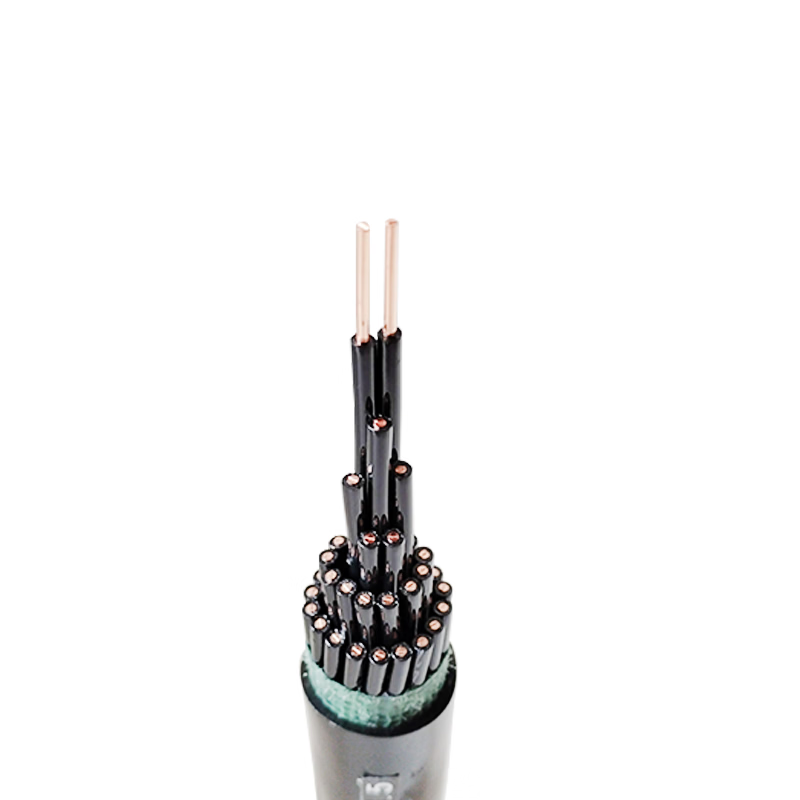
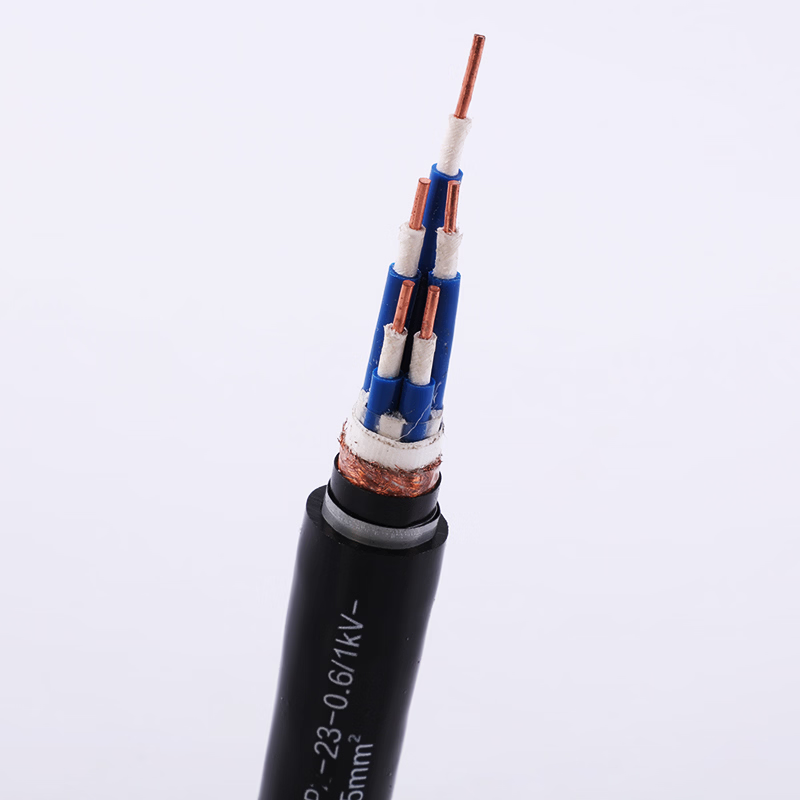


PVC insulated & PVC sheathed control cable is a reliable multi-core cable used for control and signal transmission in low-voltage electrical systems. It is designed to connect control units and field devices—such as PLC systems, sensors, relays, actuators, switchgear, and control cabinets—where stable signal flow and clear wiring organization are required. The cable is typically manufactured with copper conductors, PVC insulation on each core, and an overall PVC outer sheath that helps protect the cable against installation stress and routine industrial wear. It is widely applied in machine tools, production lines, building automation, HVAC control, elevator systems, and general factory control circuits, offering a practical solution that balances performance, durability, and cost.
1) Installation-Friendly Design That Helps Contractors Finish Faster
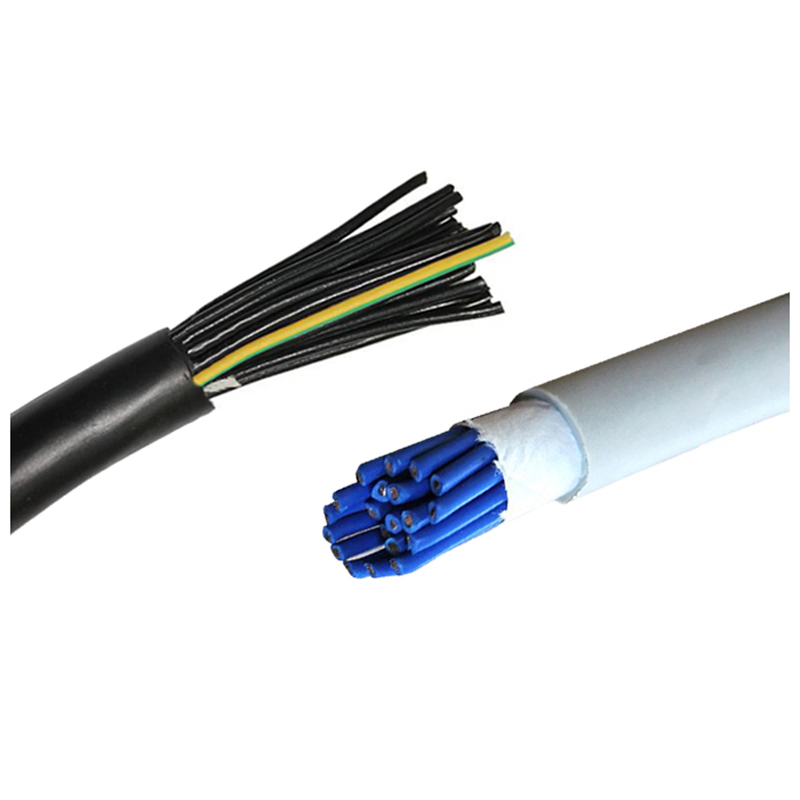
Control projects are often judged by how quickly a system can be wired, checked, and put into operation. PVC/PVC control cable supports faster installation because it packages multiple conductors into one cable run, reducing the number of separate wires that must be routed and secured. When supplied with numbered cores or color-coded conductors, electricians can identify and terminate circuits more efficiently, lowering the chance of mis-wiring and reducing rework during commissioning. For panel builders, the result is cleaner layouts, easier internal organization, and quicker final inspection—benefits that directly reduce labor time and help projects stay on schedule.
2) Built for Day-to-Day Reliability in Standard Industrial Environments
This cable is designed for practical reliability rather than over-complicated construction. PVC insulation provides stable dielectric performance for control circuits, while the PVC sheath adds a protective barrier against abrasion, scuffing, and handling damage. In many factories and buildings, control cables are installed in trays, conduits, or cabinets where bending, vibration, and rubbing against edges can happen. A well-made PVC sheath helps reduce the risk of jacket damage that can lead to intermittent faults—one of the most frustrating problems in control systems. This makes PVC/PVC control cable a dependable choice for customers who need stable long-term operation in typical environments.
3) Flexible Product Options to Match Different Control System Demands
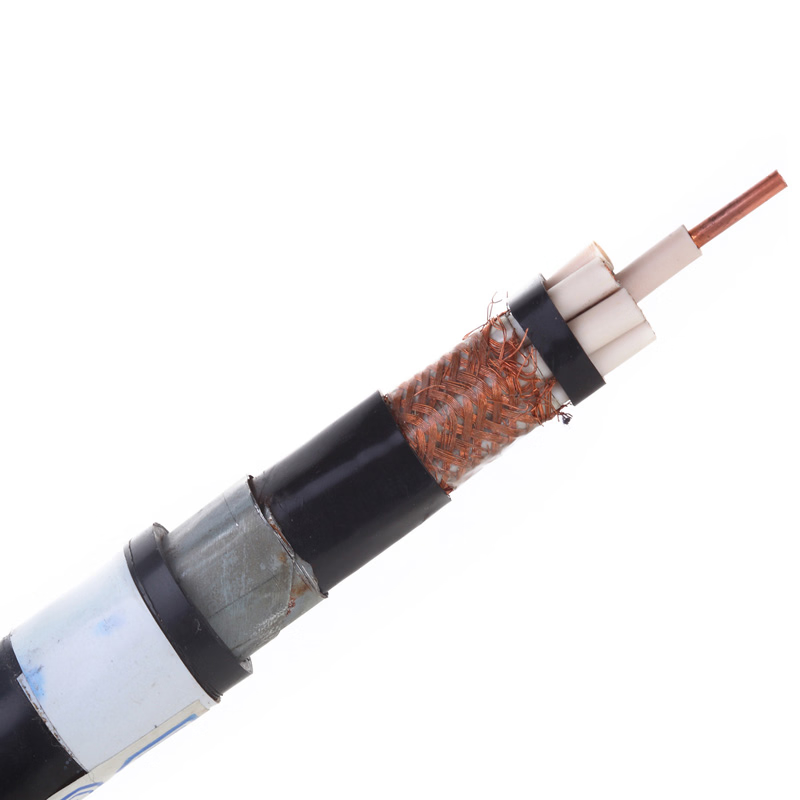
Not all control systems face the same conditions. Some sites have stronger electromagnetic interference from motors and drives; some require extra protection due to trench routing or mechanical impact risk. PVC/PVC control cables can be supplied with shielding (foil or braided) to reduce noise pickup and improve signal stability, and with armoring when stronger mechanical protection is needed. Customers can also choose different core counts, conductor sizes, and sheath types to match specific control layouts. This flexibility allows buyers to select the most cost-effective configuration for each project—getting the protection and performance they need without paying for unnecessary features.