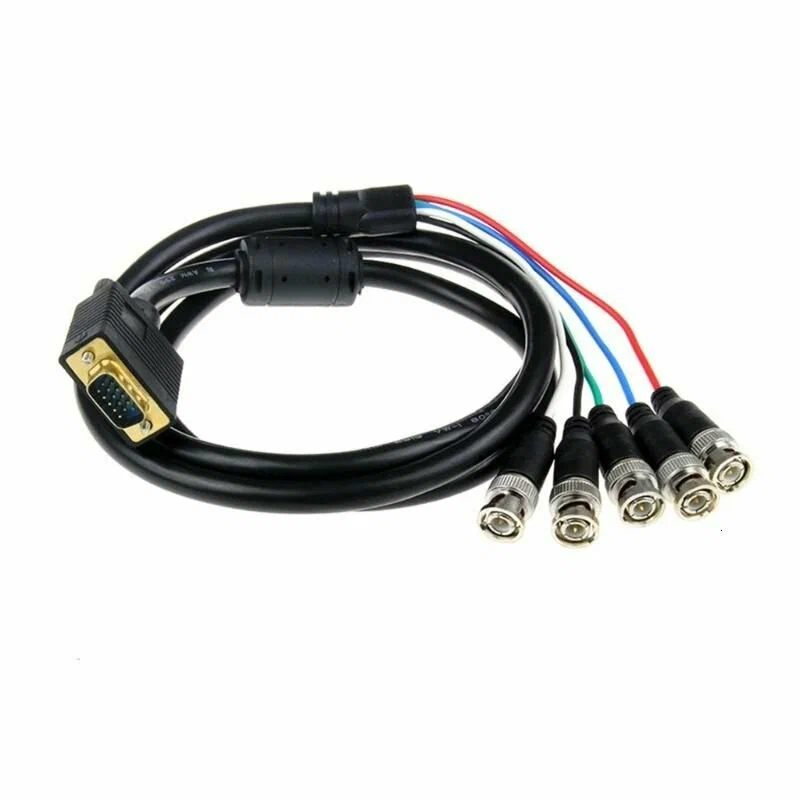
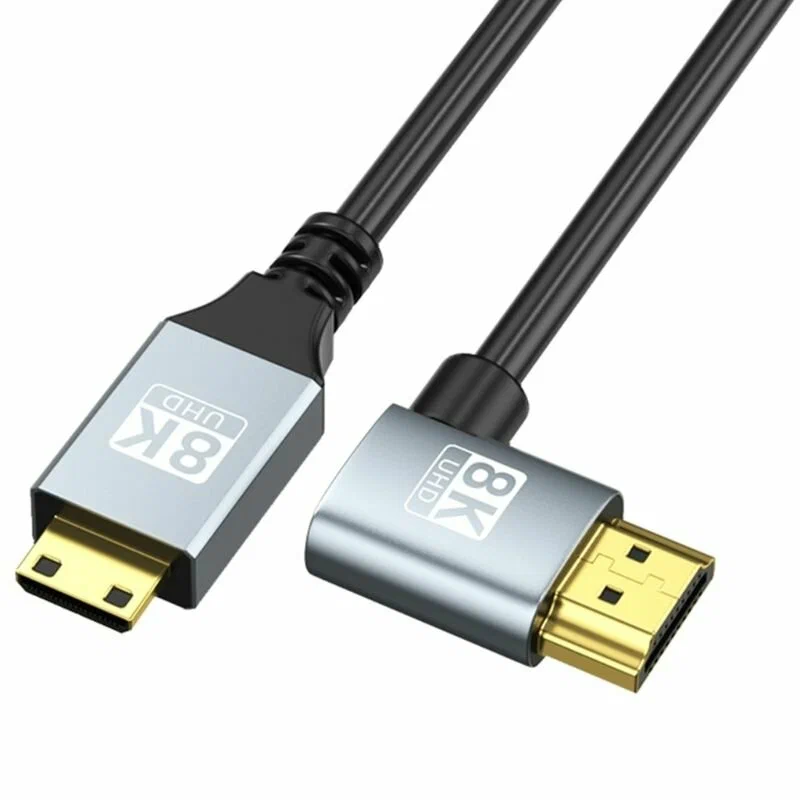
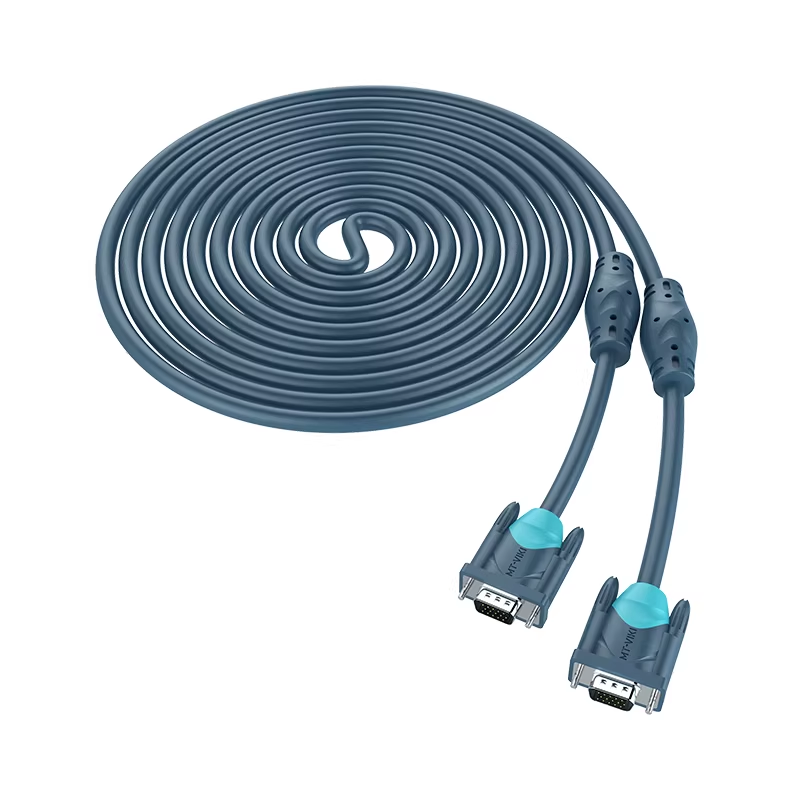
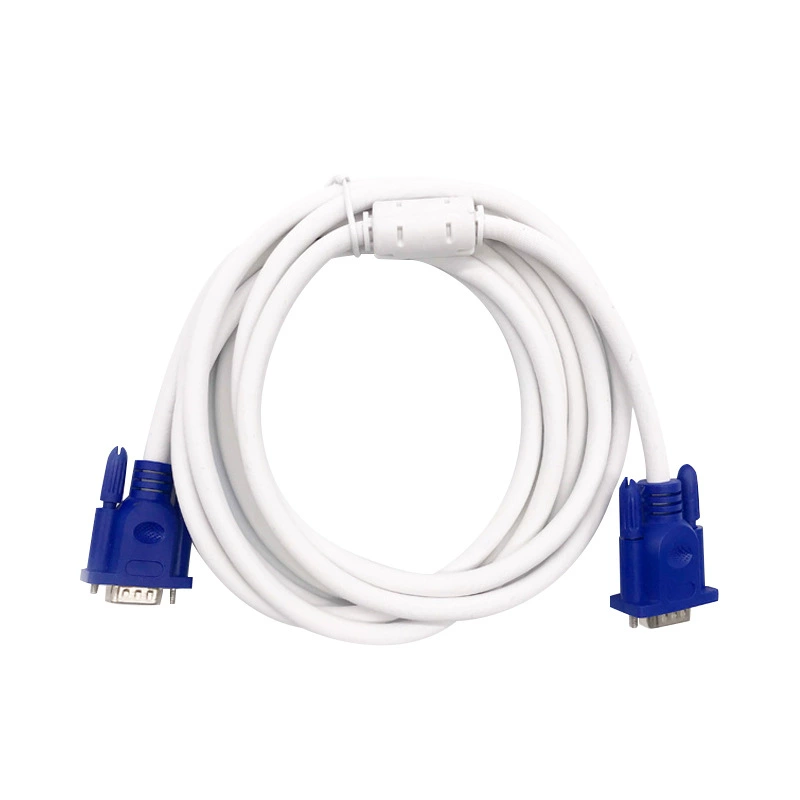
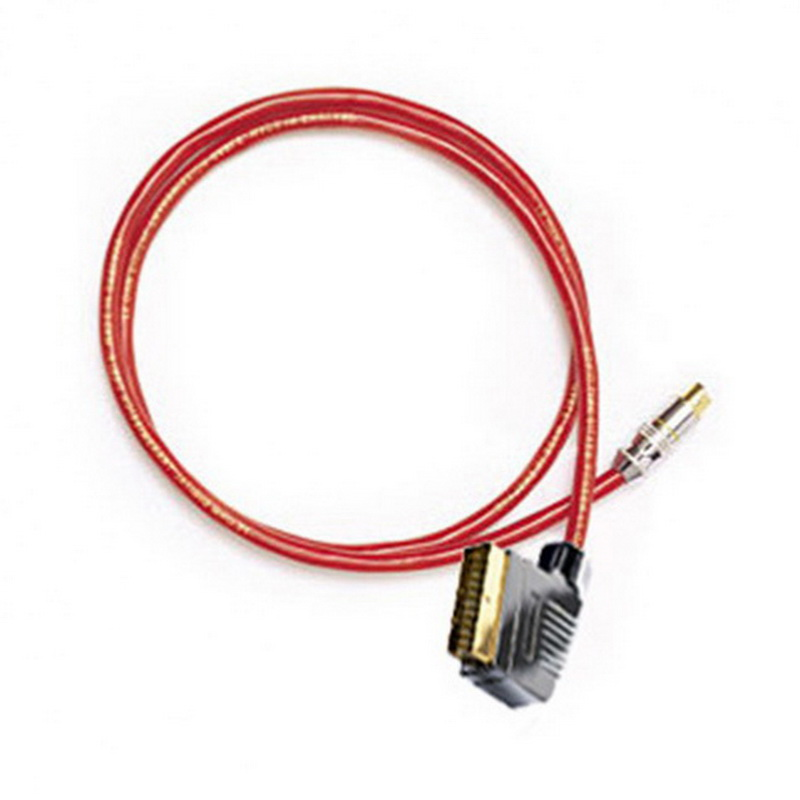


VIDEO Cable – Reliable Connectivity for Professional Video Transmission Systems
Product Introduction
VIDEO Cable is a professional-grade cabling solution developed for video transmission in commercial and industrial systems. It is widely used in security surveillance, control rooms, conference systems, broadcasting installations, and large-scale display networks. Designed to support continuous operation and stable signal flow, video cables provide dependable connectivity between cameras, recorders, monitors, and video processing equipment. With a focus on reliability, compatibility, and long-term performance, VIDEO cables serve as a critical infrastructure component in modern video systems.
Key Selling Points
-
Designed for Continuous and Stable System Operation
VIDEO cables are engineered to support long-term, uninterrupted operation in professional video systems where downtime is not acceptable. The internal conductor structure and insulation design help maintain consistent signal transmission over extended distances, reducing the risk of signal degradation during continuous use. This stability is especially important in security monitoring and control center applications, where reliable video transmission is essential for real-time monitoring and operational decision-making. -
Wide Compatibility Across Video Equipment and Systems
VIDEO cables are designed to integrate smoothly with a broad range of video equipment, including cameras, DVRs, NVRs, monitors, and display controllers. Their standardized construction supports common video transmission requirements, allowing system integrators to deploy them across different projects without compatibility concerns. This flexibility simplifies system design, reduces installation complexity, and enables easier upgrades or expansions as video systems evolve over time. -
Project-Oriented Durability and Installation Efficiency
VIDEO cables feature a robust outer jacket that protects against mechanical stress, abrasion, and environmental exposure during installation and daily operation. At the same time, the cable maintains sufficient flexibility for efficient routing through conduits, cable trays, and equipment racks. This balance of strength and flexibility helps installers complete projects faster and with fewer on-site issues, while ensuring reliable performance throughout the system’s service life.